Operating Near Other Aircraft
Review the rules for operating near other aircraft, formation-flight limitations, and risk controls for emergency airborne inspections.
Introduction to Operating Near Other Aircraft
- No person may operate an aircraft so close to another aircraft as to create a collision hazard
- No person may operate an aircraft in formation flight except by arrangement with the pilot in command of each aircraft in the formation
- No person may operate an aircraft, carrying passengers for hire, in formation flight
- Test your understanding of Operating Near Other Aircraft by completing the knowledge quiz, applying your knowledge in the interactive scenario, comparing your performance against the applicable Airman Certification Standards, and concluding with the topic summary to reinforce the key concepts before moving on to the next lesson.
Operating Near Other Aircraft Key Highlights
- Operating near other aircraft requires pilots to maintain safe separation, situational awareness, and collision avoidance procedures.
- FAA regulations prohibit aircraft operations conducted so close to another aircraft as to create a collision hazard.
- Pilots should use proper scanning techniques, radio communication, and traffic awareness tools to identify nearby aircraft.
- Wake turbulence, converging traffic, overtaking situations, and formation operations increase operational risk near other aircraft.
- Air traffic control services may assist with traffic advisories and sequencing, but pilots remain responsible for see-and-avoid procedures under VFR (Visual Flight Rules).
- Formation flight operations generally require prior arrangement and coordination between participating pilots.
- Operating near airports, traffic patterns, and high-density airspace increases the importance of traffic awareness and communication discipline.
- Modern traffic systems such as ADS-B (Automatic Dependent Surveillance-Broadcast) and Traffic Collision Avoidance Systems (TCAS) improve situational awareness during flight operations.
- Poor visibility, blind spots, cockpit workload, and distraction can reduce a pilot’s ability to detect conflicting traffic.
- Understanding procedures for operating near other aircraft improves collision avoidance, operational coordination, and overall flight safety.
Safety Considerations
- Area, direction and speed of the intercept;
- Aerodynamic effects (i.e., rotor-craft down-wash);
- Minimum safe separation distances;
- Communications requirements, lost communications procedures, coordination with ATC (Air Traffic Control);
- Suitability of diverting the distressed aircraft to the nearest safe airport; and
- Emergency actions to terminate the intercept
Emergency Airborne Inspection of Other Aircraft
- Providing airborne assistance to another aircraft may involve flying in very close proximity to that aircraft.
- Most pilots receive little, if any, formal training or instruction in this type of flying activity.
- Close proximity flying without sufficient time to plan (i.e., in an emergency situation), coupled with the stress involved in a perceived emergency can be hazardous.
- The pilot in the best position to assess the situation should coordinate the airborne intercept and inspection while considering the unique flight characteristics and differences of the aircraft categories involved. Close-proximity assistance does not transfer command of the distressed aircraft.
- Some of the safety considerations are:
- Area, direction and speed of the intercept;
- Aerodynamic effects (i.e., rotorcraft down-wash);
- Minimum safe separation distances;
- Communications and lost-communications procedures, including coordination with ATC;
- Suitability of diverting the distressed aircraft to the nearest safe airport; and
- Emergency actions to terminate the intercept.
- Close proximity, inflight inspection of another aircraft is uniquely hazardous.
- The pilot-in-command of the aircraft experiencing the problem/emergency must not relinquish control of the situation and/or jeopardize the safety of their aircraft.
- The maneuver must be accomplished with minimum risk to both aircraft.
Operating Near Other Aircraft Interactive Scenario
Interactive Scenario
Loading scenario details...
Scenario Complete
Operating Near Other Aircraft Knowledge Check
Choose the knowledge check that matches your current training for Operating Near Other Aircraft.
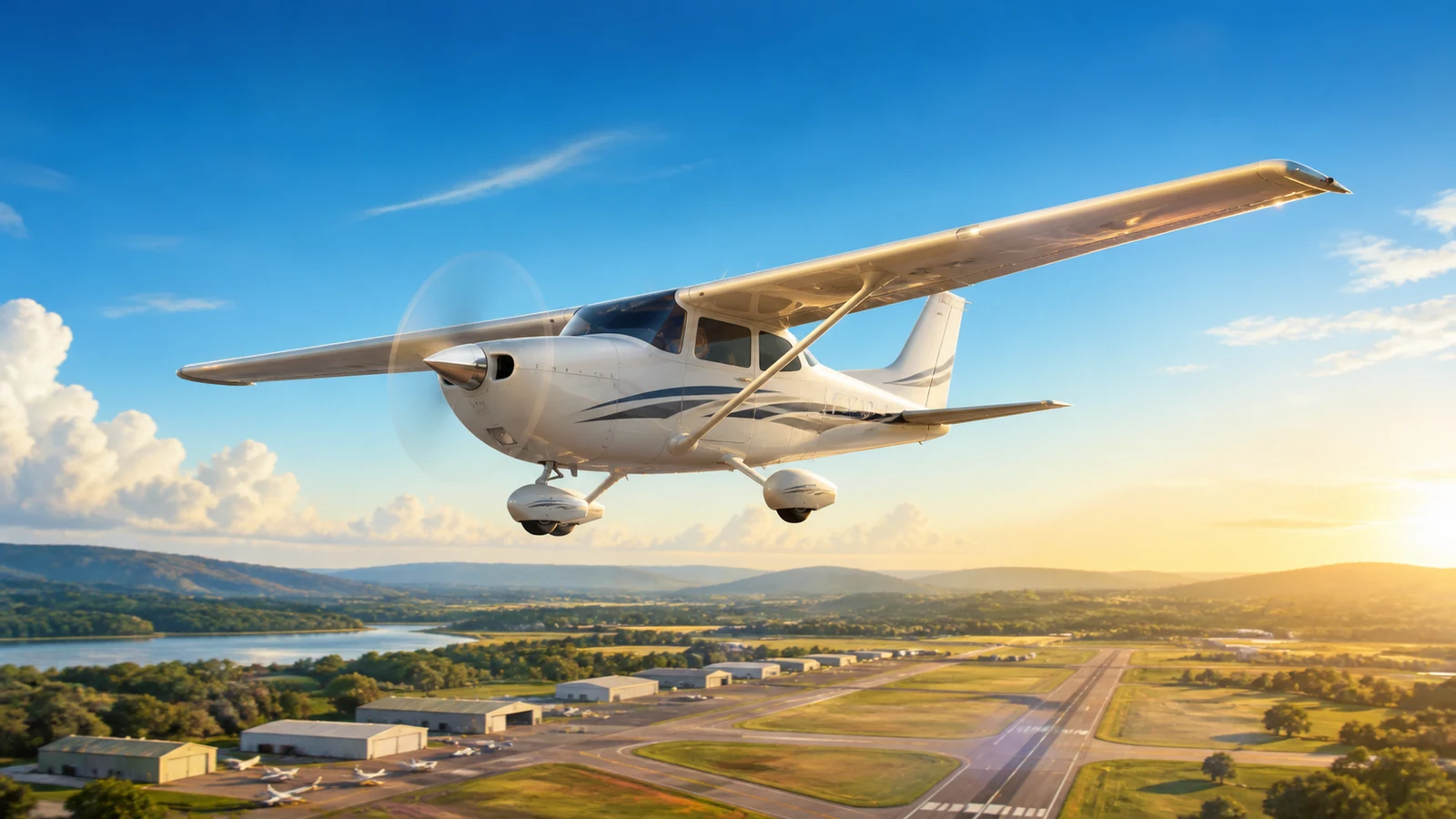 Private Pilot
PPL knowledge check
Core Knowledge Review
Review foundational knowledge, key concepts, and practical considerations. Topic: Operating Near Other Aircraft.
- Immediate feedback
- Answer explanations
- Account progress tracking
Sport Pilot
Sport knowledge check
Sport Pilot Knowledge
Review the foundational knowledge and decisions used in sport-pilot operations. Topic: Operating Near Other Aircraft.
- Immediate feedback
- Answer explanations
- Account progress tracking
 Commercial Pilot
CPL knowledge check
Advanced Application
Apply knowledge to advanced operations, risk management, and aeronautical decision-making. Topic: Operating Near Other Aircraft.
- Immediate feedback
- Answer explanations
- Account progress tracking
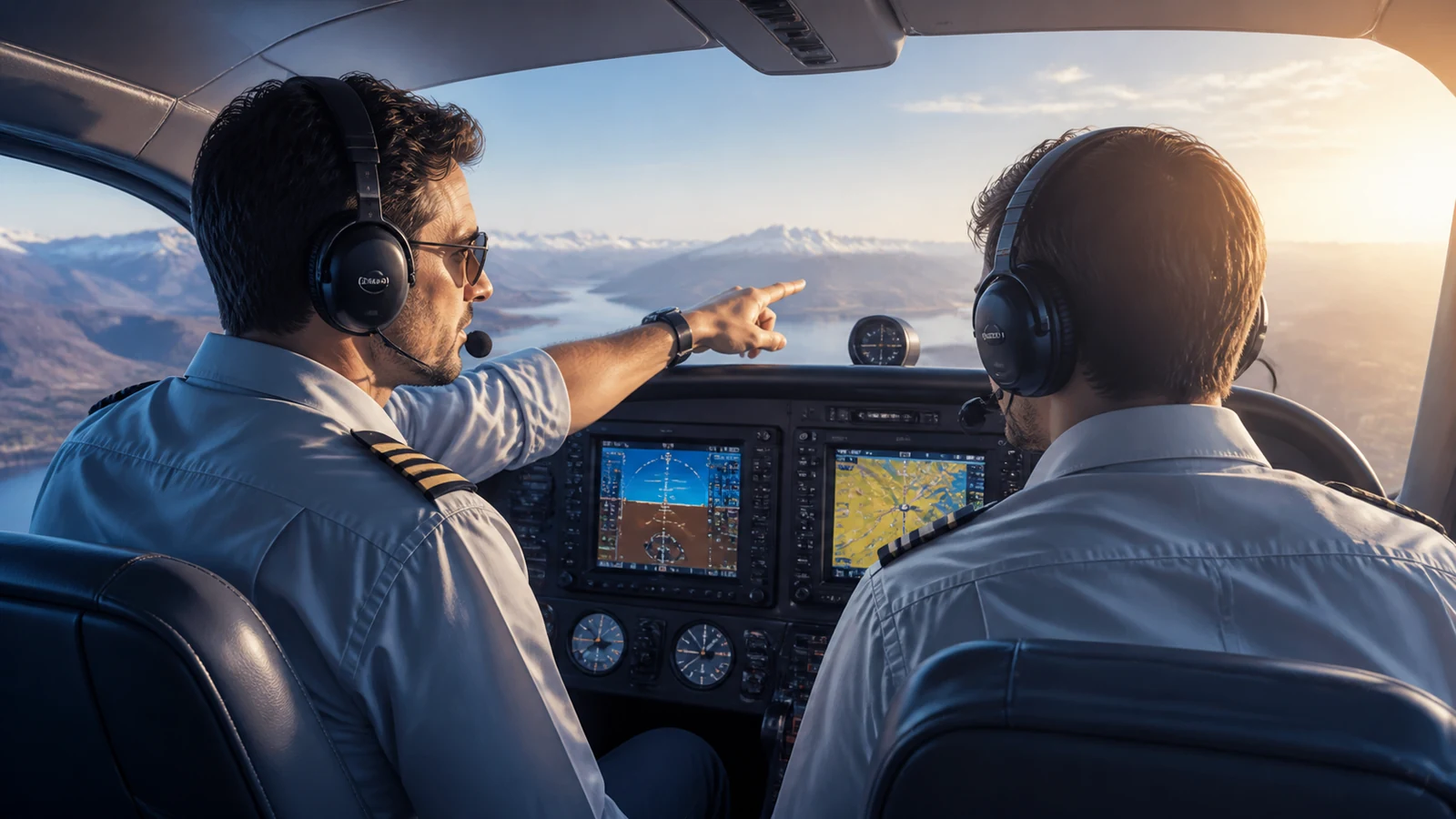 Flight Instructor
CFI knowledge check
Instructor Knowledge
Review the technical knowledge expected of an airplane flight instructor. Topic: Operating Near Other Aircraft.
- Immediate feedback
- Answer explanations
- Account progress tracking
Why Take a Quiz?
Quizzes reinforce key concepts, identify knowledge gaps, and build confidence for real-world decisions. Quiz material is representative of the information provided here and is not based on or sourced from the Federal Aviation Administration test bank.
Operating Near Other Aircraft Conclusion
- Close proximity, in-flight inspection of another aircraft is uniquely hazardous
- The pilot-in-command of the aircraft experiencing the problem/emergency must not relinquish control of the situation and/or jeopardize the safety of their aircraft
- The maneuver must be accomplished with minimum risk to both aircraft
- Still looking for something? Continue searching: