CFI Notebook brings together the core knowledge pilots and instructors rely on throughout flight training and professional development. By organizing complex aviation subjects into clear, structured topics, it helps pilots connect regulations, procedures, aerodynamics, and operational concepts in a practical way. Explore the notebook and build the aeronautical understanding that supports confident decision-making in every phase of flight.
Visual Scanning & Collision Avoidance
- The Certified Flight Instructor's (CFI) notebook is the compilation of material gathered throughout flight training.
- While there is a high expectation of knowledge among pilots, none can do so without periodically referencing old topics.
- This notebook compiles the black-and-white text of manuals, regulations, and guides, adding the context of experience.
- At the bottom of each page is a list of references used to provide the information.
- Topics include:
- Flight Training
- Aircraft Operations
- Aeromedical & Human Factors
- Aerodynamics & Performance
- Maneuvers & Procedures
- Operation of Aircraft Systems
- Weather & Atmosphere
- National Airspace System
- Avionics & Instruments
- Publications & References
- Rules & Regulations
- Flight Hazards & Safety
- Air Traffic Control
- Remotely-Piloted Aircraft
- Aviation Maintenance
Preparation for Flight Training
The flight training chapter prepares students for the nuance of flight instruction, including:
- Finding an FAA Certified Flight Instructor.
- Finding an FAA Certified Flight School.
- Introducing the applicable pilot certificates and rating requirements.
- Finding a Designee (FAA Evaluator).
- Introducing the instrument rating.
- Cockpit management techniques.
- Navigating aircraft transitions.
- Getting back into flying.
- Acquiring and using an electronic flight bag.
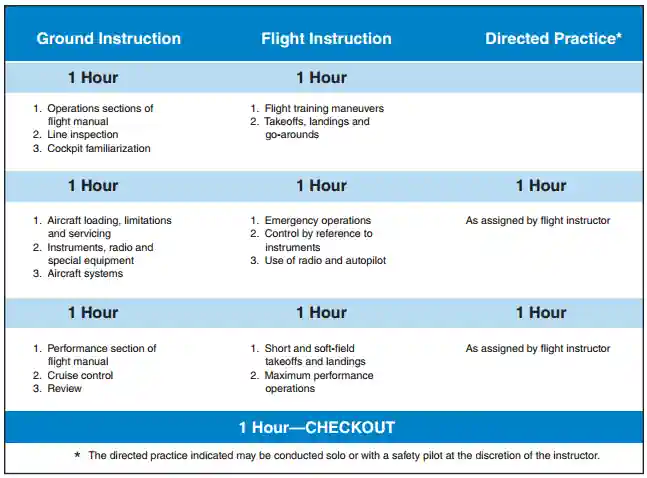
Integrating Aircraft Operations
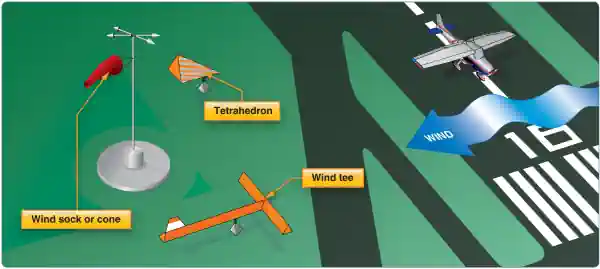
Aircraft operations cover various procedures based on the phase of flight, including:
- Ground operations pre- and post-flight.
- Departures into the en-route structure.
- The en-route structure.
- Arrivals from the enroute structure.
- Terminal area procedures.
- Instrument approach procedures.
- Considerations for operating at night.
- Exploring gliding/soaring operations.
Recognizing Aeromedical & Human Factors
The aeromedical & human factors chapter reviews the human element of the flight environment, including:
- Understanding the risks of carbon monoxide poisoning.
- Learning the Aeronautical Decision-Making process.
- Crew Resource Management practices.
- Hyperventilation risks and solutions.
- Managing the risks of hypoxia.
- Exploring spatial disorientation & illusions in flight.
- Determining Fitness for Flight.
- Medical Certificate Requirements
- Understanding the nervous system.
- Vestibular system strengths and limitations.
- Effectively leveraging the eyes and vision.
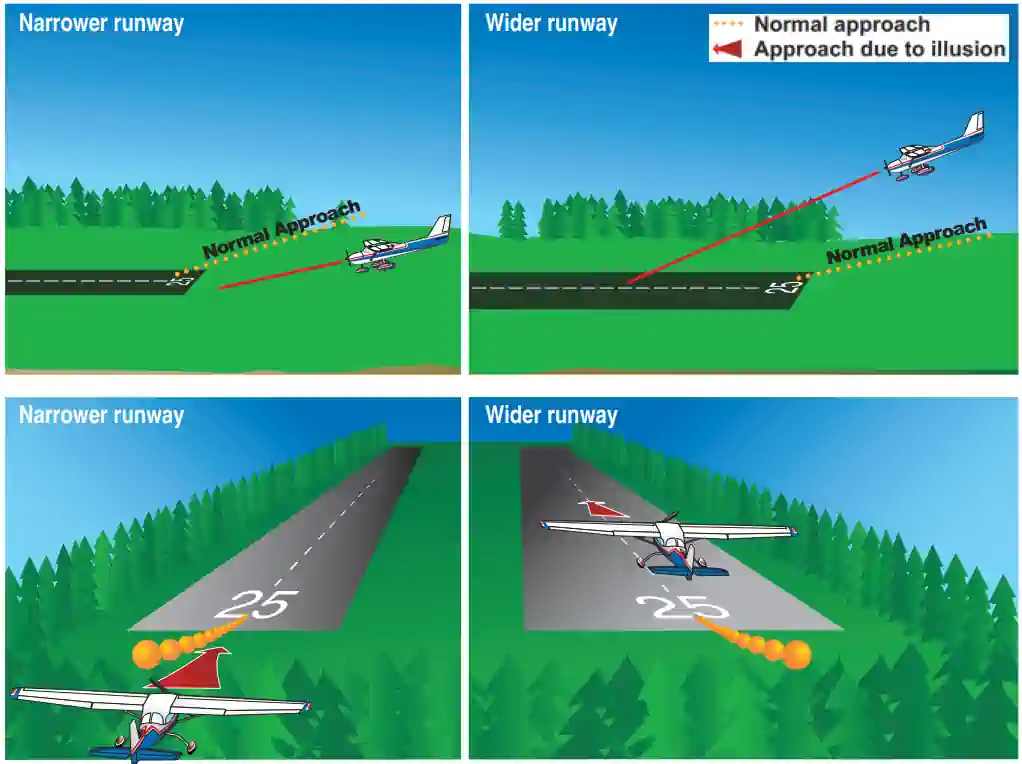
The relationship between Aerodynamics & Performance
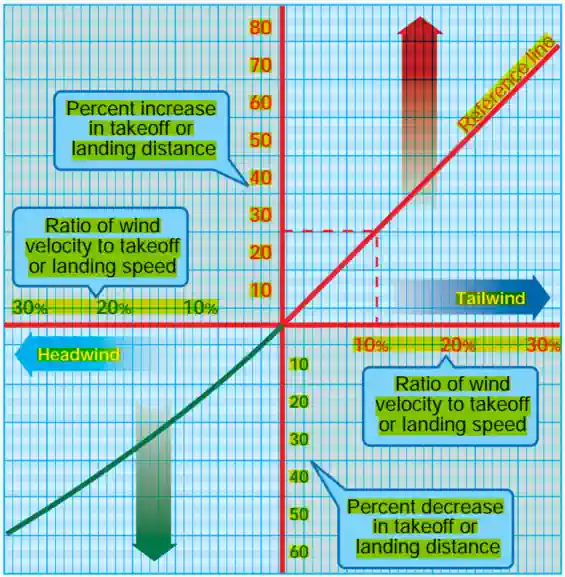
The aerodynamics & performance chapter contextualizes the why behind maneuvers by describing flight characteristics, including:
- Breaking apart aircraft components & structure.
- Understanding the principles of flight.
- Reviewing the totality of possible performance calculations.
- The factors influencing Aircraft Stability.
- Cold and warm temperature operations impact on flight execution.
- Performance during stall maneuvers.
- Performance in cruise flight.
- Calculating weight and balance.
- Performance in turning maneuvers.
- Atmospheric effects in various flight regimes.
- Applying takeoff & climb performance in different situations.
- Planning for descent and landing performance.
Conducting Maneuvers & Procedures
The maneuvers & procedures chapter describes the steps required when performing ground and flight maneuvers, including:
- Performing takeoff and landing procedures.
- Airborne maneuvers.
- Navigating Instrument Flight Rule procedures.
- Aerobatic flight maneuvers.
- Encountering and applying emergency procedures.
- Ground reference maneuvers as a foundation.
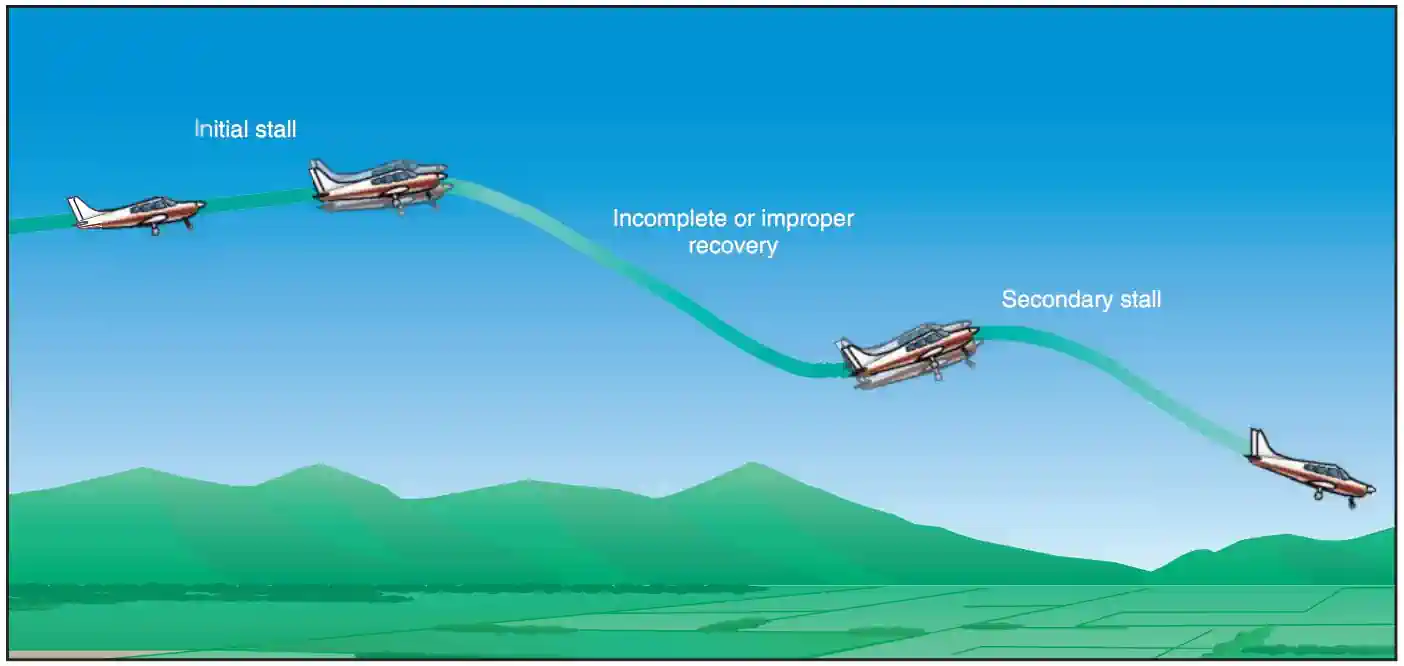
- Performing aircraft stalls.
- Formation flight fundamentals.
Studying the Operation of Aircraft Systems
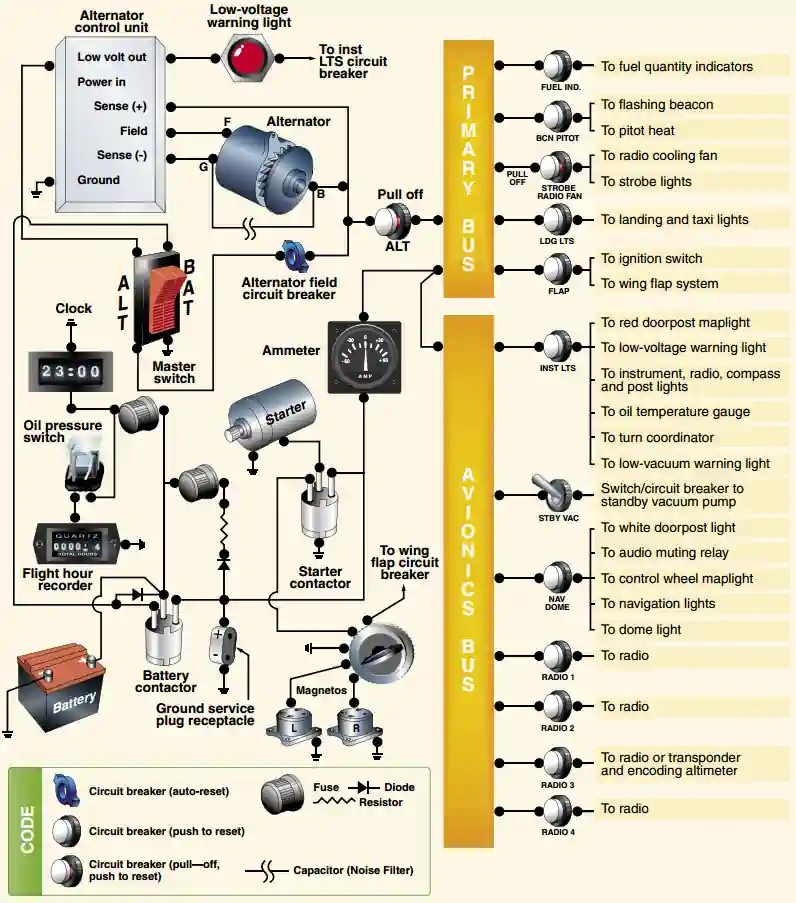
The operation of aircraft systems chapter reviews the form, function, and interaction of airborne and ground-based systems, including:
- Aircraft Lighting
- Use of aircraft environmental control systems, ensuring comfort of pilot and passengers.
- Electrical
- Reviewing flight control system performance to maneuver the aircraft.
- Ensuring a ready aviation fuel system.
- Understanding Gyroscopic Systems and the instruments they power.
- The benefits of hydraulic & Pneumatic systems.
- Aircraft Icing Protection Systems
- Ignition
- Aircraft Induction Systems
- Landing Gear
- Managing heat and friction through lubrication systems.
- Pitot-Static and Vacuum
- Powerplant
- Propeller
- Mitigating high altitude risks with supplemental oxygen.
Exploring Weather & Atmosphere
The weather & atmosphere chapter describes atmospheric phenomena and the products that aim to predict their impacts, including:
- Prognostic Charts
- ATC In-Flight Weather Avoidance Assistance
- The makeup and composition of the Earth's atmosphere.
- Aviation Routine Weather Report (METARs)
- Clouds in the Aviation Environment
- Convective Outlook
- ERAU Weather Information Sheet
- Leveraging weather resources through FAA weather services.
- Fog in the aviation environment and the associated dangers.
- Air masses and weather fronts and their effect on the atmosphere.
- Aircraft icing on ground and in-flight.
- In-flight weather advisories, including AIRMETs, SIGMETS, and Convective SIGMETs.
- Low-Level Wind Shear & Microburst Detection Systems
- Microbursts
- Relaying aviation conditions through pilot reports (PIREPs).
- Preflight Briefing
- Radar Summary Chart
- Surface Analysis Chart
- Terminal Aerodrome Forecast (TAF)
- Terminal Broadcast Services and Systems
- Thunderstorms and lightning, very very frightening.
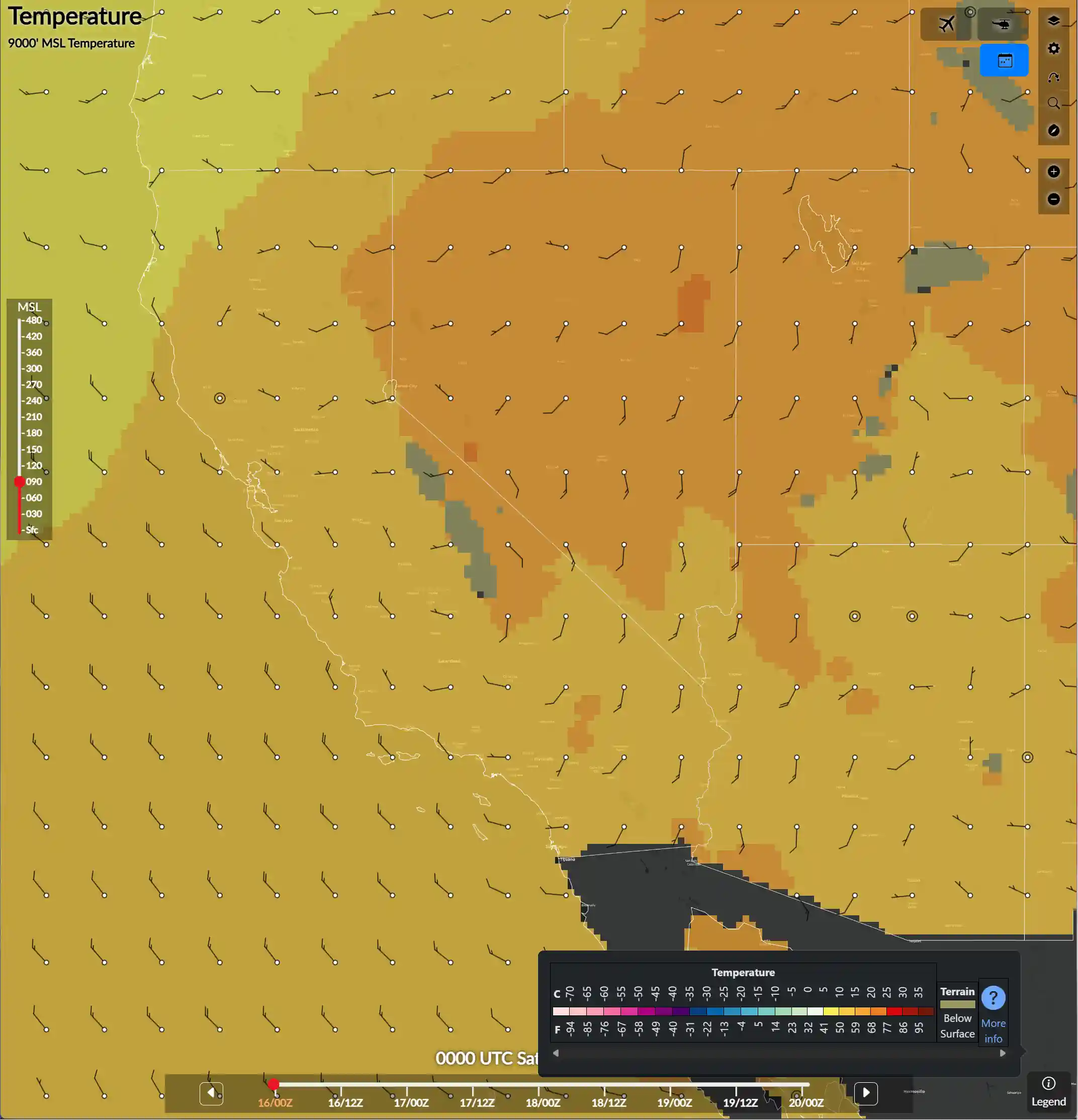
- Wind and Temperature Aloft (FB) forecasts, and their value in planning.
- W.M.O. Present Weather Code List
Practicing Navigation & Flight Planning
The navigation & flight planning chapter explains how to plan flights, utilizing navigation tools and techniques, including:
- Area Navigation
- Diversions in response to the dynamic aviation environment.
- conducting flight planning to safely and effectively complete a flight.
- Navigation & Flight Planning
- Required Navigation Performance
- Filing and flying VFR & IFR flight plans.
- VFR Cross-Country Flight
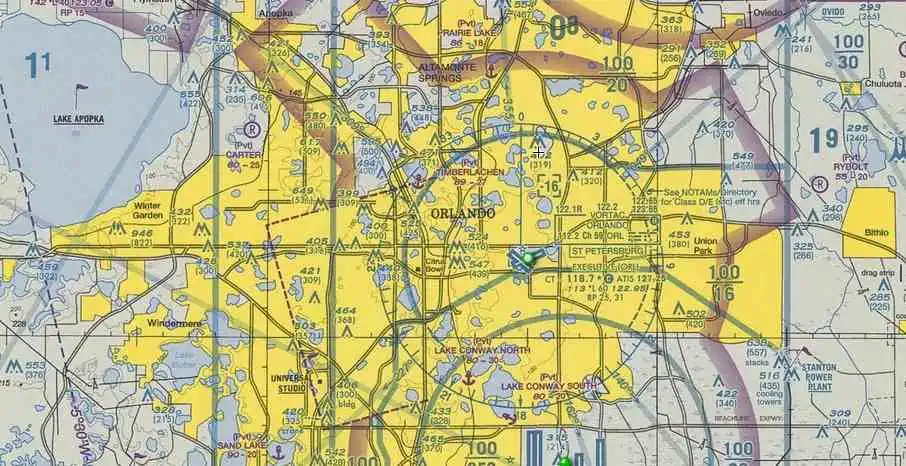
- Navigation Charts
Shifting Paradigms with Remotely Piloted Aircraft
The remotely-piloted aircraft chapter uncovers the latest aviation technologies and automation, including:

Operating within the National Airspace System
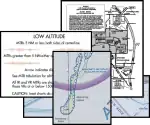
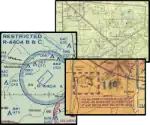
The national airspace system chapter describes the rules of the sky as they relate to controlled and uncontrolled airspace areas, including:
Controlled Airspace:
- Class Alpha Airspace for the high-altitude environment.
- Class Bravo Airspace around the busiest of airports.
- Class Charlie Airspace and terminal procedures.
- Class Delta Airspace across the U.S.
- Class Echo Airspace, the space in between.
Uncontrolled Airspace:
- Class Golf Airspace for the uncontrolled environment.
Special Use Airspace:
- Prohibited
- Restricted
- National Security Area (NSA)
- Warning Areas
- Military Operating Area (MOA)
- Alert Areas
- Controlled Firing Area (CFAs)
Other Airspace:
Situational Awareness Through Avionics & Instruments
The avionics & instruments chapter introduces the instruments, both airborne and ground-based for pilots to reference in flight, including:
- Know your speed with the airspeed indicator.
- Automatic Dependent Surveillance-Broadcast (ADS-B)
- Height indicators with an Altimeter.
- Attitude Indicator
- Distance Measuring Equipment (DME)
- Emergency Locator Transmitter (ELT)
- Non-Directional Radio Beacon (NDB)
- Heading Indicator
- Magnetic Compass
- Tactical Air Navigation (TACAN)
- Transponder
- Turn Coordinator
- Vertical Speed Indicator (VSI)
- VHF Omni-Directional Range (VOR)
- Instrument Landing System (ILS)
Reviewing Publications & References
The publications & references chapter identifies important documents for pilot use in flight planning and execution, including:
- Operating Handbooks
- FAA Manuals
- Other Publications:
- Aeronautical Information Manual (AIM)
- Federal Aviation Regulations (FARs)
- Pilot Safety Brochures
- Pilot/Controller Glossary (P/CG)
- Advisory Circular (AC)
- Chart Supplement U.S.
- Airport Diagram
- Federal Aviation Regulations
- Notice to Airmens (NOTAMS)
- Airworthiness Documentation
- Airman Certification Standards (ACS)
- Registration Certificate
- Pilots Information Manual (PIM)
Compliance With Rules & Regulation
The rules & regulation chapter reviews the regulatory environment surrounding aviation operations, including:
- Aviation Roles
- Aircraft Speed
- Callsigns
- Careless or Reckless Operation
- Carriage
- Dropping Objects
- Instrument Flight Rules
- Operating Near Other Aircraft
- Parachutes and Parachuting
- Maintaining pilot logbooks for regulatory compliance.
- Honoring right-of-way rules.
- Solo Restrictions
- Special VFR or (SVFR) procedures.
- Safety margins with takeoff minimums.
- Visual Flight Rules
Awareness of Flight Hazards & Safety
The flight hazards & safety chapter covers potential hazards to safe flight and procedures to mitigate them, including:
- Aircraft Arresting Systems
- Accident Cause Factors
- Bird Hazards
- Obstructions To Flight
- Flight Operations in Volcanic Ash
- Lost communication in aviation.
- Emergency Voice Reports
- Situations requiring intercept procedures.
- Light Gun Signals
- Emergency Equipment
- Emergency Procedures
- Lost Aircraft Procedures
- Search and Rescue (SAR)
- Seaplane Safety
- Mountain Flying
- Traffic Avoidance Systems
- National Transportation Safety Board (NTSB) Regulations
Compliance With Air Traffic Control
The air traffic control chapter covers the national air traffic control system and its management of the national airspace system, including:
- Airport Traffic Control Tower (ATCT)
- Terminal Radar Approach Control (TRACON)
- Air Route Traffic Control Center (ARTCC)
- Radio Communications
- Radio Detection And Ranging (RADAR)
- Radar Vectors
- Terminal Broadcast Services and Systems
- FAA Weather Services
- FAA Radar Services
- Separation Standards
- JO (7110.65) Air Traffic Organization Policy
Material Readiness Through Aviation Maintenance
The aviation maintenance chapter covers the procedures required to maintain an aircraft's physical and legal airworthiness, including:
CFI Notebook Conclusion
- Still looking for something? Continue searching: